
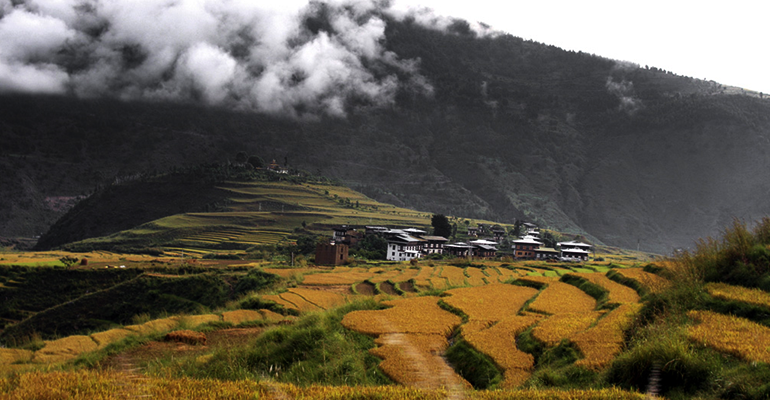
19 Days
Trekking
Medium-Hard
| Included |
|
| Trekking Included |
|
| Excluded |
|
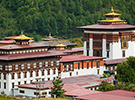
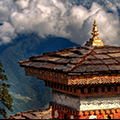
Rinpung Dzong or the "fortress on a heap of jewel" was built by Zhabdrung Ngawang Namgyel in 1646. Its majestically on a hill overseeing the Pa chhu(river) and offers a panoramic view of Paro valley.
Taa DzongTaa Dzong or watch tower was built in 1645 by Paro penlop La Ngoenpa Tenzin Drukda together with Desi Minjur Tempa. It was built to protect the Dzong(fortress) and the valley from unceasing attacks from outside. The watchtower was converted to a national museum in 1967. The museum has an exhibit several antiques and relics of Bhutan, they also exhibits the natural history and cultural practices.
Thimphu CityThimphu is the capital city of Bhutan and is one of the last few capital cities without traffic lights and the traffic still managed by traffic policemen. Thimphu is the most populated city with about 100,000 people and truly a combination of the ancient and the modern. While strictly maintaining the traditional style of architecture in modern building, there are also very old temples and numerous monasteries in and around the city, and few discotheques and Karaoke.
Memorial ChortenThe national memorial chorten was built in memory of third Druk Gyalpo and is dedicated to World peace. It was initiated by Her Majesty Phuentsho Choden and erected in 1974. It is one of the mostly visited places by the devotees, circumambulating the stupa from dawn until dusk.
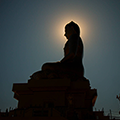
A 51 meter bronze Shakyamuni Buddha statue gilded in gold, overseeing the valley of Thimphu. Enjoy the panoramic view of the Thimphu valley from the site of the gigantic Lord Buddha. The site was completed in sept. 2015. We have alternative hike around the statue with beautiful view of the valley, you could prefer to hike one of the trails. These trails are popular for mountain biking/cycling.
Simply Bhutan MuseumThe Museum is a living studio showcasing the typical life-style and practices of Bhutanese culture and tradition. You will also witness some folk dances by the team at the museum and you can disguise yourself with our national attire and try out archery (national sport).
Takin PreserveThe takin enclosure is located in the Thimphu is a wildlife reserve area for takin the national animal of Bhutan. Originally a mini-zoo, it was converted into a preserve when it was discovered that the animals refrained from inhabiting the surrounding forest even when set free. The reason for declaring takin as a national animal of Bhutan on 25 November 2005 (Budorcas taxicolor) is attributed to a legend of the animal`s creation in Bhutan in the 15th century by Lama Drukpa Kuenley.
Tashichho DzongThe fortress was built by Zhabdrung Ngawang Namgyal in 1641. It was enlarged by desi Tenzin Rabgay in 1694 and further renovated several times over the years. The entire Dzong was rebuilt in 1962 under the royal command of the third king, his majesty Jigme Dorji Wangchuck. It houses the dragon throne room of the king of Bhutan,the office of the Je-khenpo (chief abbot), and other government agencies. It is also used as summer residence of the monk body.
Centenary Farmers MarketIf you want to join with the Bhutanese people and interact with local farmers amongst the aroma of organic fruits and vegetables, the Centenary Farmers Market is the place to be. Smiling tourists wonder as locals bargain with the vendors and you could even stock up on your organic fruits for the coming days. Stroll through the market places and the craft bazaar.
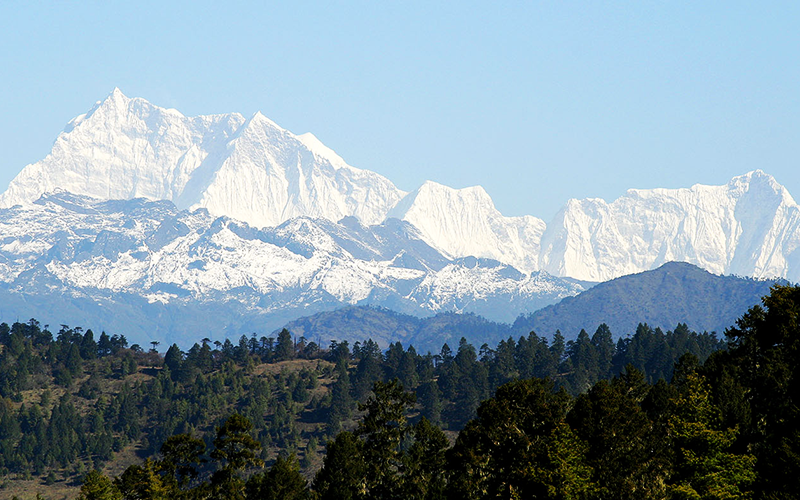
The serene view of the eastern Himalayas greets you with beautiful eye-catching sight of 108 small stupas built over a small hill. The collections of the stupa were built in 2005 as atonement for the loss of life caused by the flushing out of Assamese militants in southern Bhutan. On clear weather you could see many of those highest snowcapped mountains of Bhutan.
Chimi LhakhangThe site of the temple is a pleasant 30 minutes walk through mustard and paddy fields. Standing on a picturesque hilltop the Lhakhang is famous for its fertility wish grants to couples. Inside the walls of the Lhakhang are beautiful frescoes depicting the colorful life of Lama Drukpa Kuenley, the Divine Madman regarded for his crazy methods of teaching which included blessing women in the form of copulation!
Gangtey and Phobjikha ValleyBeautiful valleys of Gangtey and Phobjika, the surrounding villages are located in one of the most beautiful glacial valleys of Bhutan and it is a favorite tourists place. The valleys are also home to the endangered and graceful Black Necked Cranes in the winter and you can see them in the marshes in the middle of the valley. In the summer the cranes fly back to Tibet.
Gangtey Monastery and Nature Trail HikeVisit the Gangtey Monastery located atop a hill overlooking the valley. Gangtey Gonpa is an important Monastery of the Nyingmapa school of Buddhism. Hike through the serene Gangtey Nature Trail for about an hour. Excursion of Gangtey, Phobjika and neighboring villages, stroll through the valley and visit few traditional houses.
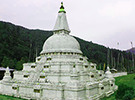
The Stupa in Chendebjee is said to be a replica of the Boudanath Stupa of Nepal.
Trongsa DzongThe fortress has been witness to various significant events that would eventually lay the foundation for the unification of Bhutan as a nation. The first and second kings of Bhutan ruled the country from this ancient seat. Trongsa fortress is the largest fortress in Bhutan built by Minjur Tenpa after he was appointed as Trongsa Penlop (governer) in 1647. It was built on the site where a temple was built in 14th century by Yongzin Ngagi Wangchuk.
Bumthang is very popular for its unique traditional woolen products. You can visit the weaving center watching the locals weaving different kinds of woolen clothings. You can purchase some if you like to take as souvniers.
Jakar DzongJakar fortress or Fortrss of the White Bird derives its name from the account of Lam Ngagi Wangchuk, Zhabdrung's great grandfather, witnessing an auspicious omen of a white bird landing on the site where he was building a temple. Yab Tenpai Nima later expanded but it was only in 1646 that a larger fortress was built by Desi Minjur Tenpa where the temple stood.
One of the oldest twin temple in Bhutan, which dates back to 7th century built by a spiritual king of Tibet. It is believed to be two of the 108 temples built by him over a span of one night along the Himalayan region.
Kurjay LhakhangThis temple dates back to 7th century where Guru Padmasambhava (the patrion saint who established buddhism in the country) meditated in that cave where the temple stands now. By leaving his body imprints on that cave later the name of the temple was also so called Kur-jey which translates "body imprints".
Tamzing LhakhangIt is a majoy Nyingma monastery in central Bhutan which was founded in 1501 by Pema Lingpa (he is believed to be the spiritual son of Guru Padmasambhava).
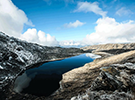
Mebar Tsho (The Burning Lake)Pema Lingpa is also a treasure revealer, this sacred lake is the place where he revealed a treasure from beneath the lake by carrying a burning lamp in his hand where it kept burning when he came out and so the place was named as the Burning Lake.
Tang ValleyTang valley is one of the most remote valleys in Bumthang and today you will spend the whole day at Tang visiting the traditional houses, the Main temples and monasteries and the Museum and enjoy your picnic lunch at the Eco park. It is about 3 hours drive on rugged terrain from the main town in Bumthang and enroute you can stop at the nunnery, visit the temple and interact with the nuns. You will come across villages on the way to Tang.
The trek route follows the Yoleng Chhu, a river known for its abundance of trout. The trail from Bumthang to Gorsum is a gradual climb.
The trail leads through a dense forest of Spruce, Hemlock, Cypress, Juniper and Maple. It ascends gradually to the campsite.
The vegetation along the route is similar to places crossed the previous day. Near the campsite the vegetation thins out and the camp is made above tree line.
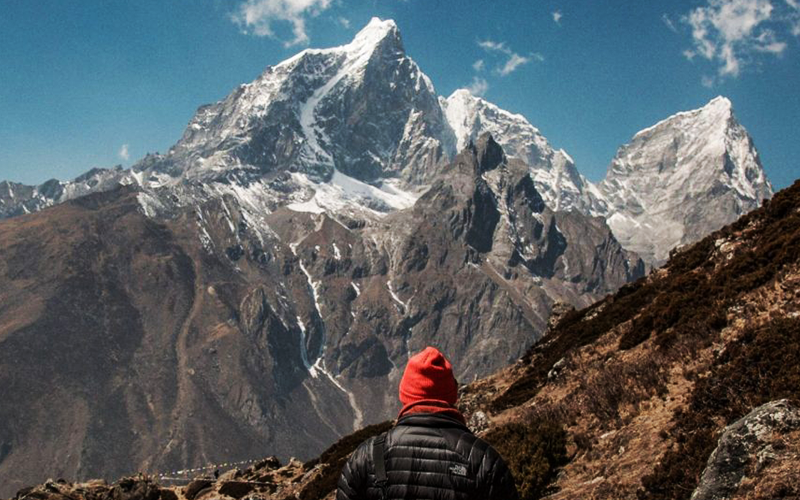
The trek from Tsochenchen is uphill all the way until Juli La (4,700m). If the day is clear, you will have a great view of the surrounding mountains from the pass. After crossing the pass, the trail descents towards hot spring.
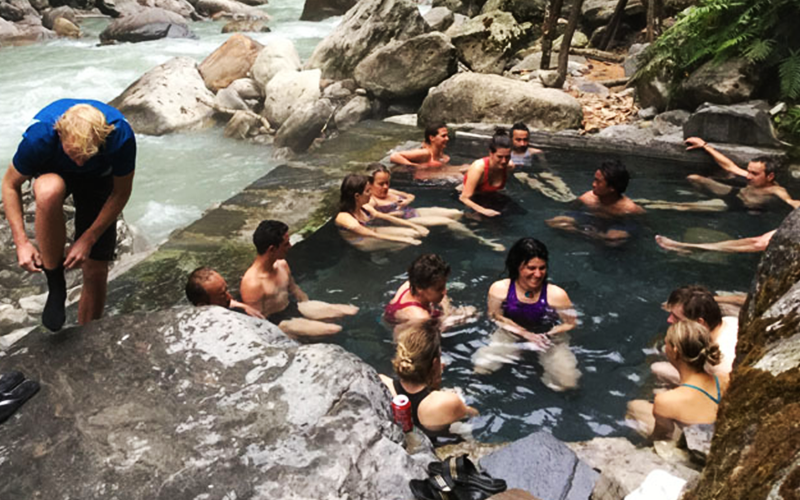
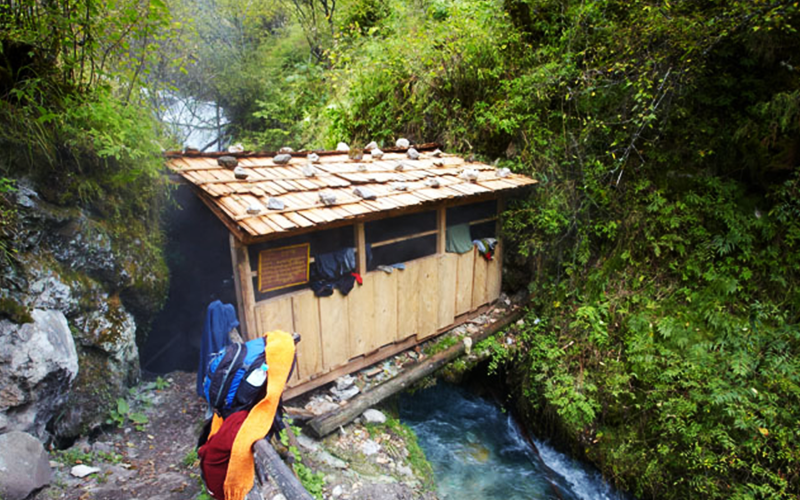
As the highlight of the trek, today will be spent resting at the Duer Tsachu. After a late breakfast, relax in the rejuvenating hot springs or take a leisurely hike around surrounding areas.
Return by the same route taken on day four. The journey will be even tougher than before as there is slightly more climbing than descending.
Return by the route taken on day three of the trek.
The trail descends gradually from the campsite. It leads through dense forest of Spruce, Hemlock, Cypress, Juniper and Maple..
From Gorsum the trail descends gradually until the bridge near Duer village, where you reach the road head.
After Breakfast you will be driving all the back to
Punakha which is about 7-8hrs drive. On the way back you
can enjoy your drive with the views of scenic mountains
and nature. If you prefer to have packed hot lunch
along, you could spot lots of beautiful places for
lunch.
Punakha valley was the old capital city of Bhutan and
the Punakha Dzong meaning the fortress of Great Bliss,
was built by in 1673 by Zhabdrung Ngawang Namgyel (the
first spiritual & political leader of Bhutan) to
commemorate the final victory against numerous Tibetan
invasions. Located on a piece of land between two rivers
Pho Chhu and Mo Chhu (literally meaning male and female
rivers), the Dzong is massive, huge and magnificent in
all its architectural grandeur. Although ravaged by
flood, fire and earthquakes many times, the Dzong was
always rebuilt with its original pattern and design.
The first King of modern Bhutan was crowned in Punakha
Dzong. Important religious ceremonies are still held in
the Dzong. The Royal Wedding ceremony on 13th October
2011 of the Fifth King Jigme Khesar Namgyel Wangchuck to
Jetsun Pema was conducted in Punakha Dzong.
After visiting the Punakha Dzong/Fortress of Great
Bliss, drive to the Nunnery and enjoy the spectacular
views of Punakha and Wangdue valleys.
After an early breakfast drive for a 20 minutes up north
and walk for about an hour to Khamsum Yulley Namgyel
Chorten stupa. The walk is beautiful through the pine
trees, the stupa is beautiful and so is the view from
there. Enroute you will also be walking through a
suspension bridge over the Puna Tsang Chhu - Punakha
River.
Afternoon drive to Paro.
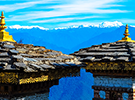
Stop at dochula pass for lunch/tea snacks
Your highlight of the tour and a day excursion to one of the most petrified sites in Bhutan, Taktsang Monastery / Tiger's Nest which is about 3 hours uphill and 2 hours down. It is located around 900 meters above the Paro valley. In the 8th Century Guru Padmasambhava - the patron saint of Buddhism established the most sacred place in Bhutan and meditated with his consort Khandro Yeshey Tshogyal. It is believed that Guru flew on a female tigress in pursuit of a demon which he subdued at the current site of the Monastery. You can have your lunch, tea/snacks at the cafeteria midway.
Kichu LhakhangBefore you drive back to your hotel visit the Kyichu Lhakhang/temple, one of the oldest temples built in the 7th Century by the Tibetan King Songsten Gyembo.
Local ExperienceIn the evening visit a traditional farmhouse replete with paddy fields, vegetable garden and farm animals. Enjoy a hot stone bath in a wooden tub, get some cooking tips and help in preparing your dinner which you will eat in the traditional Bhutanese style with the whole family. If you wish you can go for a stroll through the valley or rest in hotel.
After breakfast drive to Paro International Airport where your guide and driver will bid you farewell and hope you had a pleasant holiday and hope to see you in Bhutan again.
YoEnzo Tours and Treks provides unparalled luxury, adventure, and nature tours, designed to create unforgettable memories

© Copyright 2026 YoEnzo Tours and Treks | Design By Indra Gotamey