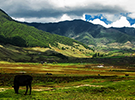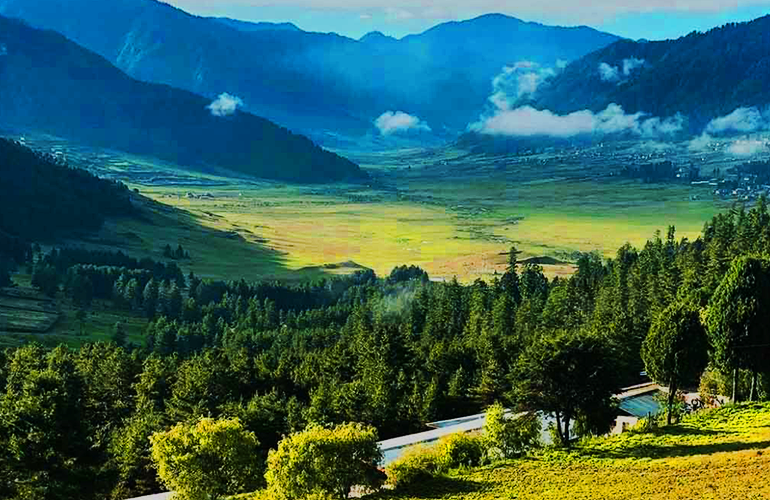
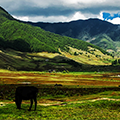
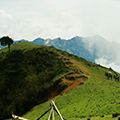
In the heart of the mystical kingdom of Bhutan, there lies a sanctuary of sublime beauty - the Phobjikha Valley, a glacial expanse cradled within the Wangdue Phodrang District. This sacred vale, cloaked in the whispers of legends and adorned with the tapestry of nature's grandeur, transcends time itself. Its significance, a harmonious blend of cultural heritage and ecological splendor, weaves a tale that resonates through the ages. For countless generations, the Phobjikha Valley has been a steadfast witness to the ebb and flow of life. Its undulating landscapes, kissed by the breath of ancient glaciers, have cradled a community steeped in tradition and resilience. Here, amidst the craggy peaks and emerald meadows, the Gasa people have carved out their existence with unwavering determination.
In the dance of seasons, the valley comes alive with the rhythm of traditional agriculture and the cadence of gentle animal husbandry. The Gasa, custodians of this sacred realm, have forged an inseparable bond with the land, living in symbiosis with the natural symphony that envelops them. Their footsteps echo through the annals of time, leaving an indelible mark on the very soul of the valley. As the winds carry whispers of ancient tales, the Phobjikha Valley stands as a testament to the enduring spirit of a people who have embraced the land as kin. It is a saga of reverence and reciprocity, where each sunrise paints a new chapter, and each sunset weaves another verse into the tapestry of Bhutan's rich cultural heritage. In the heart of Phobjikha, where time stands still and nature holds court, the epic unfolds, etching the Gasa and their sacred valley into the eternal chronicles of Bhutan.
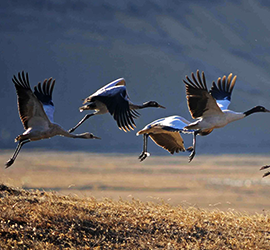
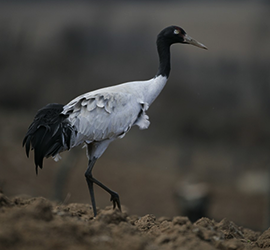
In the bosom of the Phobjikha Valley, where the mountains whisper ancient secrets and the air is infused with mystic allure, a celestial spectacle unfolds each winter. This sacred realm, veiled in the silvery threads of frost-kissed tales, is hailed as the refuge of the endangered black-necked cranes. Descending from the ethereal heights of the Tibetan Plateau, these majestic creatures find solace in the embrace of Phobjikha's pristine sanctuary. The festival is not merely a carnival of mirth; it is a sacred covenant, a vow etched in the hearts of those who understand the delicate balance between man and nature. As the vibrant festivities unfold, they become a chorus of gratitude to the cranes, guardians of the valley's essence. Through dance, song, and ritual, the festival transcends mere celebration; it becomes an invocation, a plea to preserve the sanctity of the land.
YoEnzo Tours and Treks provides unparalled luxury, adventure, and nature tours, designed to create unforgettable memories

© Copyright 2026 YoEnzo Tours and Treks | Design By Indra Gotamey