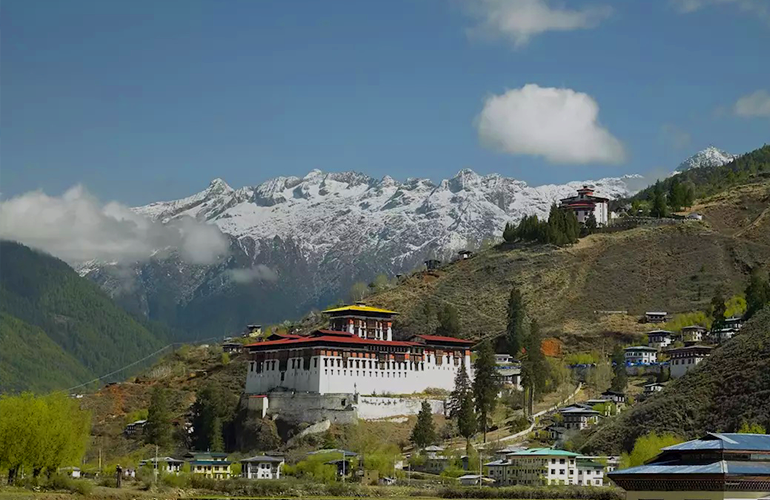
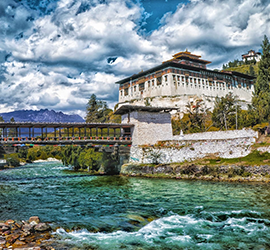
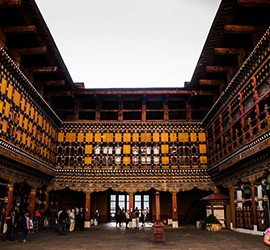
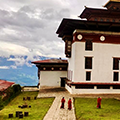
Paro Dzong emerges as an exalted pinnacle of Bhutanese architectural prowess, a sublime masterpiece that graces the landscape with its towering magnificence. The colossal buttressed walls, standing as silent sentinels, cast their majestic shadows over the town, a visual symphony that unfolds throughout the valley, enchanting all who gaze upon them, especially when bathed in the ethereal glow of night. Once the august meeting hall for the National Assembly, this celestial fortress now seamlessly amalgamates the sacred and the secular, housing not only the serene monastic enclave but also the august precincts of the district government offices, including the hallowed halls of local courts. While the sanctum of chapels may remain veiled to the curious eyes of tourists, the pilgrimage to Paro Dzong is not in vain. A sojourn within its hallowed precincts is an invitation to transcendence, a communion with stunning architecture that whispers tales of centuries past, and a panoramic vista that unveils itself as a feast for the senses. This bastion of grandeur beckons, not merely as a destination, but as a testament to the sublime fusion of artistry, history, and the panoramic splendor that graces Bhutan's serene landscapes.
Behold the ethereal bastion, known by the resplendent moniker Rinchen Pung Dzong, a title of magnificence often tenderly shortened to Rinpung Dzong, translating to the poetic "Fortress on a Heap of Jewels." In the mystical tapestry of Bhutanese heritage, the year 1644 witnessed the divine decree of Zhabdrung Ngawang Namgyal, commanding the majestic edifice's rise from the hallowed foundations of a monastery first laid by the esteemed Guru Rinpoche. A sentinel of antiquity, this fortress stood valiantly as a bulwark, its storied walls recounting tales of yore, etched with the indomitable spirit that guarded the Paro valley against the shadows of Tibetan invasions. As whispers of history reverberate through time, the eloquent accounts of British political officer John Claude White reveal ancient catapults, poised in the rafters of the dzong's veranda, ready to unleash stones of formidable might. Though tested by the tumultuous hands of fate, the dzong emerged unscathed from the tremors of a 1897 earthquake, only to face the crucible of flame in 1907, leaving scars that bear witness to its enduring resilience and timeless grandeur.
YoEnzo Tours and Treks provides unparalled luxury, adventure, and nature tours, designed to create unforgettable memories





© Copyright 2026 YoEnzo Tours and Treks | Design By Indra Gotamey