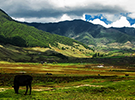
Jigme Singye Wangchuck National Park, centrally situated and boasting diverse altitudinal ranges and vegetation, stands as Bhutan's third-largest Protected Area. It shares borders with Royal Manas National Park to the south and connects with Jigme Dorji National Park, Wangchuck Centennial National Park, and Phrumsengla National Park through biological corridors, forming a continuous belt between tropical south and alpine north. Administering five districts partially, the 1730 sq.km park, established in 1995, focuses on securing ecological connectivity and conserving the natural and cultural treasures of Central Bhutan. Embodying the middle Himalayan ecosystem, JSWNP encompasses various biomes from sub-tropical to alpine meadow. The park's rich biodiversity includes 39 mammals, 270 birds, 139 butterfly species, 16 fishes, with ongoing exploration for herpetofauna, fungal diversity, and orchids and herbal plants.
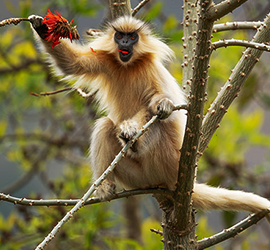
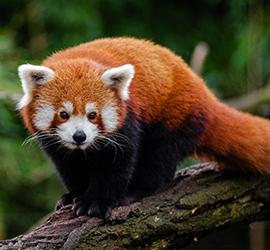
Jigme Singye Wangchuck National Park boasts a remarkable array of Asia's charismatic mammals, including the Royal Bengal tiger, golden langur, clouded leopard, and red panda. Birds of conservation significance, such as the Rufous-necked Hornbill and Himalayan Monal, grace its skies. Notably, the park shelters 50% of the 'Critically Endangered' White-bellied Heron population. With over 5000 residents adapting to varied climates and vegetation, the park spans 588 households in six geogs across five districts. The park's mission is to conserve and manage its natural biodiversity in harmony with people's values, focusing on specific ecosystems, protection of cultural sites, and contributing to the socio-economic development of residents through sustainable resource use.
YoEnzo Tours and Treks provides unparalled luxury, adventure, and nature tours, designed to create unforgettable memories


© Copyright 2026 YoEnzo Tours and Treks | Design By Indra Gotamey